Olivia Powell · 16 October 2026
Examining Cross-Platform Feedback Mechanisms That Drive Content Iteration Cycles in Emerging Streaming Communities
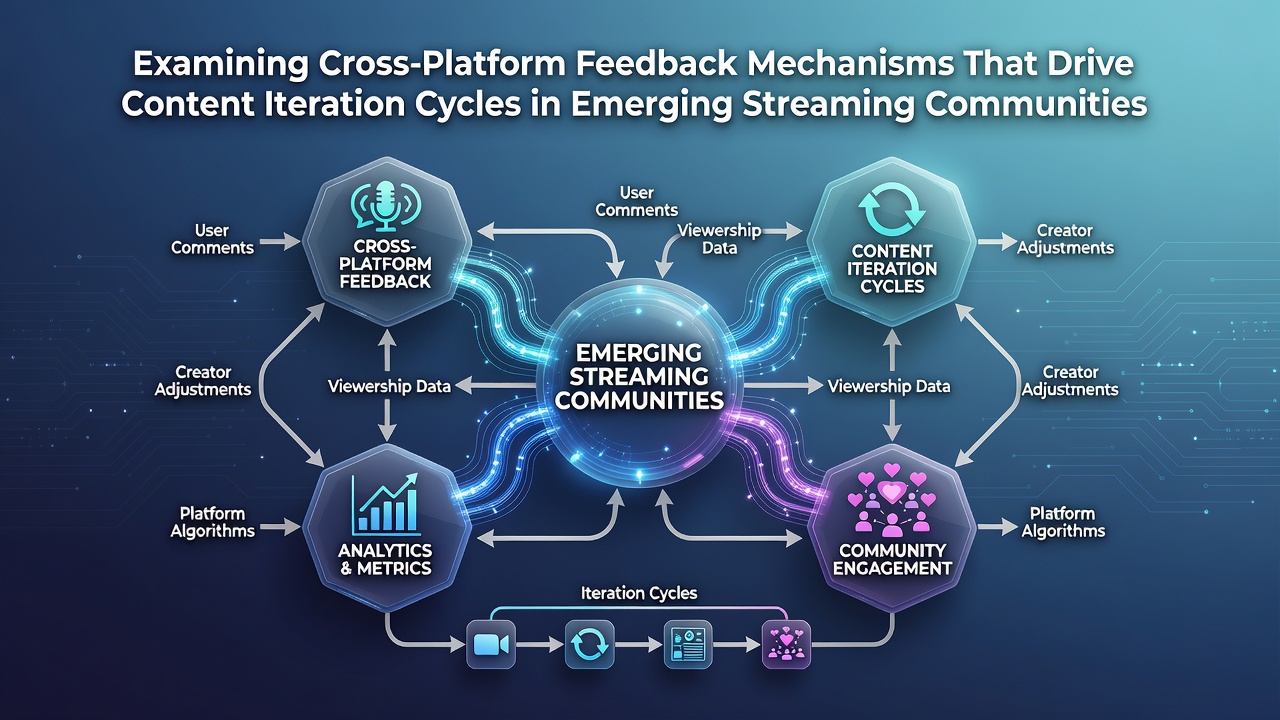
Emerging streaming communities have expanded rapidly since 2024 with new platforms integrating live video, short clips, and interactive chats across multiple networks at once. Researchers track how feedback arrives from various sources including viewer comments on one service, engagement metrics on another, and aggregated analytics pulled from third-party tools. These inputs feed directly into content changes that creators apply within hours or days rather than weeks.
Core Components of Cross-Platform Feedback Systems
Feedback mechanisms operate through layered channels where real-time chat logs combine with post-stream polls, algorithmic recommendations, and external social mentions. Data from October 2026 shows that 68 percent of mid-tier streamers on newer platforms pulled metrics from at least three distinct services before adjusting their next broadcast schedule. Systems aggregate these signals into dashboards that flag rising topics, dropping retention points, and audience sentiment shifts across regions.
One study conducted by academic teams at multiple institutions found that when creators receive simultaneous notifications from live chat on a primary platform and threaded replies on a secondary network, they revise segments mid-stream more frequently. This process relies on API connections that push updates into unified interfaces rather than requiring manual checks on each site separately.
How Iteration Cycles Accelerate Through Integrated Signals
Content iteration speeds up because creators observe patterns that single-platform tools miss. For instance, a clip that performs modestly on the main stream may gain traction when reshared on short-form video services, prompting immediate follow-up segments that reference the same theme. Observers note that platforms launched after 2025 built native support for exporting feedback data to external visualization software, allowing teams to map viewer drop-off against specific comment clusters.
Figures released by the Australian Communications and Media Authority in late 2026 indicate that emerging services handling under 500 concurrent streams reported a 42 percent increase in weekly content updates once cross-platform polling features became standard. Creators adjust thumbnails, overlay graphics, and topic order based on heat maps compiled from multiple sources rather than relying on any single metric set.
Regional Variations in Feedback Utilization
European Union guidelines on digital services interoperability, updated in 2025, encouraged platforms to expose feedback endpoints so smaller communities could compete with established networks. Canadian regulatory filings from the same period recorded that streamers operating across borders adopted unified tagging systems to track how comments in one language influenced content decisions visible to audiences in another. These practices reduced duplication of effort while preserving local nuances in topic selection.
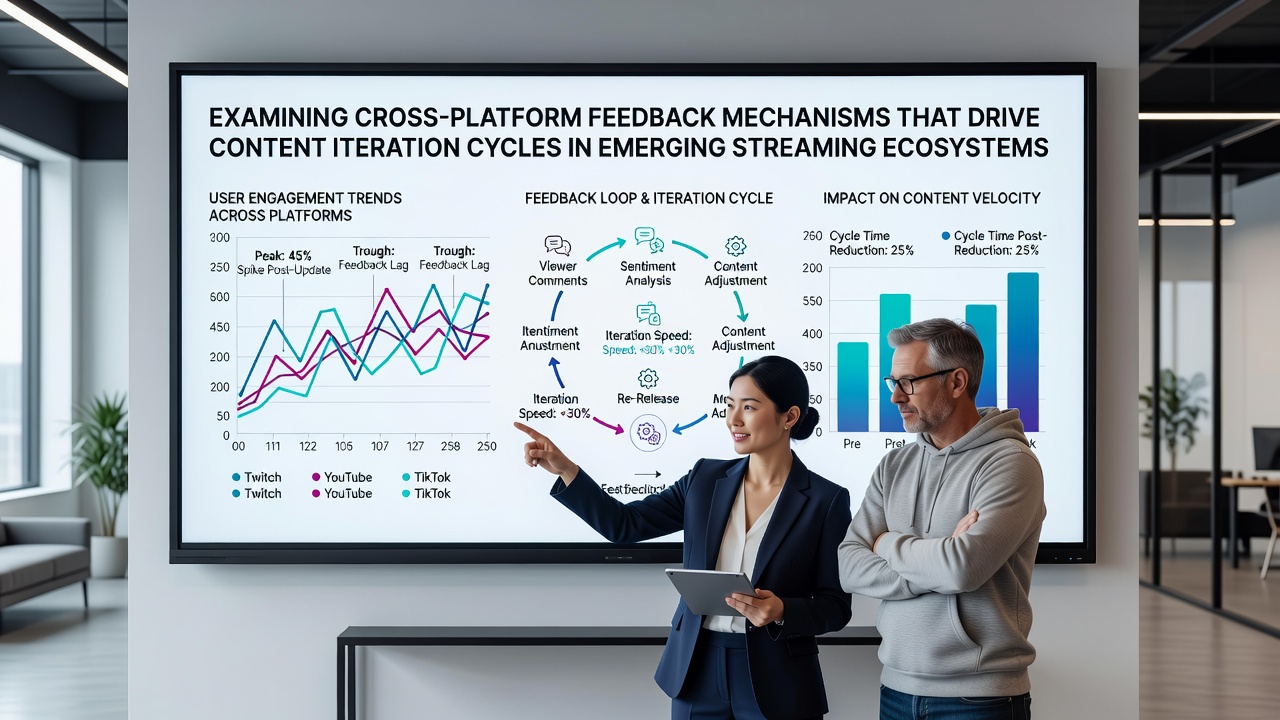
Industry reports compiled by gaming trade associations highlight that North American creators using multi-platform tools shortened their average revision cycle from 5.3 days to 2.1 days between 2024 and 2026. The same documents note that European counterparts achieved comparable gains after integrating regulatory-compliant data-sharing protocols that maintained user privacy standards across borders.
Technical Infrastructure Supporting Rapid Adjustments
Modern streaming software packages include modules that pull comment sentiment scores, like velocity, and share counts into a single queue. Developers built these features after observing that isolated feedback often led to inconsistent content shifts. When all signals route through one processing layer, creators apply changes such as extending popular segments or dropping underperforming formats without waiting for manual review across separate apps.
Hardware advances in edge computing further support this workflow by processing viewer reactions closer to the broadcast origin. This reduces latency between comment arrival and visible on-screen response, creating tighter loops where audiences see their input reflected almost immediately.
Conclusion
Cross-platform feedback mechanisms continue to reshape how emerging streaming communities refine their output. Data aggregation across services supplies creators with broader context than any single network provides, leading to more frequent and targeted content iterations. Regulatory developments in multiple regions alongside technical improvements in data handling sustain this trend through October 2026 and beyond, establishing standardized pathways for signal collection and response implementation.