
Ines Simon · 18 September 2026
Navigating Audience Analytics Through Specialized Social Broadcasting Networks
Specialized social broadcasting networks have emerged as distinct platforms where creators deliver live and on-demand content to targeted communities, and audience analytics serve as the primary mechanism for understanding viewer behavior, engagement patterns, and content performance across these environments. Observers note that these networks often focus on niche topics such as gaming, education, music, or professional development, which generates granular data streams that differ from general-purpose social media platforms. Research indicates that platforms in this category collect metrics including concurrent viewers, session duration, chat interaction rates, and demographic breakdowns that allow broadcasters to refine their programming strategies.
Data from industry reports shows that in September 2026, specialized networks continue to integrate advanced tracking tools that combine real-time feedback with historical trends, enabling creators to adjust broadcasts while they are still live. Those who have studied these systems point out that the combination of video playback data and social signals creates a richer picture than traditional television ratings ever provided. Experts at research institutions have observed that broadcasters who master these tools achieve higher retention because they respond directly to audience signals rather than relying on broad assumptions.
Core Components of Audience Data Collection
Specialized broadcasting networks gather information through multiple layers that include viewer authentication records, device identifiers, and interaction logs, and these elements combine to form comprehensive profiles of audience segments. According to findings from the Australian Communications and Media Authority, such networks maintain detailed logs of peak viewing times, geographic distribution of viewers, and content preference shifts that occur within single sessions. The process relies on APIs that push data into dashboards where broadcasters can filter results by age group, subscription tier, or content category, and this setup allows for immediate tactical decisions during a stream.
Figures reveal that chat volume and emoji usage correlate strongly with viewer satisfaction scores on many of these platforms, while drop-off points in video playback highlight moments where content pacing needs adjustment. Researchers at academic centers have documented how these networks also track external referrals, showing which social channels drive the most new viewers and which promotional tactics yield sustained engagement rather than one-time visits.
Analytical Tools and Their Practical Applications
Broadcasters use integrated analytics suites that visualize trends through heat maps, cohort comparisons, and predictive models, and these features help identify which segments of an audience return for recurring content. The European Data Protection Board has issued guidelines on how platforms must handle consent for these tracking methods, requiring clear disclosure of what data gets collected and how it influences recommendations. Platforms that comply with these standards still deliver robust insights because they anonymize individual records while preserving aggregate patterns that reveal broader behaviors.
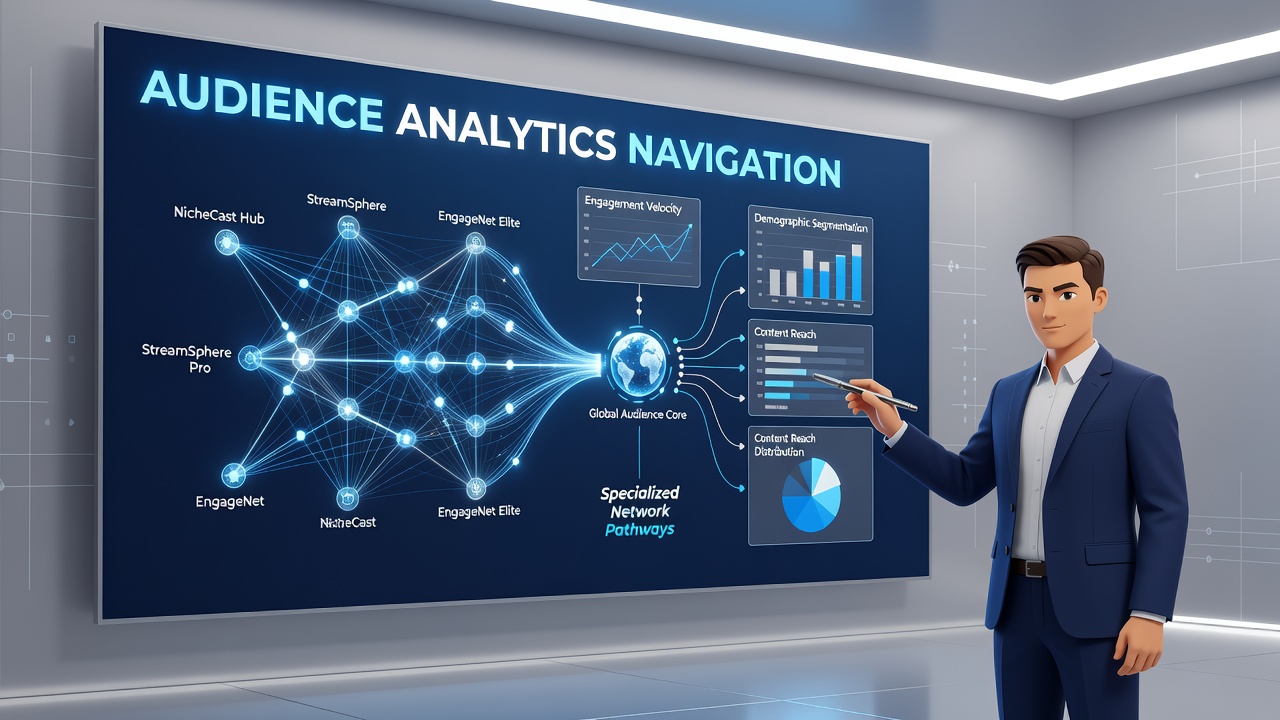
One study from a Canadian research consortium demonstrated that creators who segment their audiences by engagement level and tailor follow-up content accordingly see measurable increases in return visits. These tools also surface comparative benchmarks, letting individual broadcasters see how their metrics stack up against similar channels in the same niche without exposing proprietary details. Observers note that the most effective users combine platform-native analytics with external data sources to cross-validate findings and reduce blind spots.
Privacy Considerations and Regulatory Context
Specialized networks must balance detailed analytics with privacy regulations that vary by jurisdiction, and compliance teams at these companies routinely update consent flows to meet evolving standards. Data indicates that viewers who receive transparent explanations about metric collection show higher willingness to share information, which in turn improves the accuracy of the resulting insights. The Federal Communications Commission in the United States has examined how these platforms handle viewer data during live events, emphasizing the need for secure storage and limited retention periods.
Those who have reviewed compliance reports find that networks operating across borders often adopt the strictest applicable rules as a baseline, creating consistent experiences for international audiences. This approach reduces legal friction while still supporting the analytical depth that broadcasters require for growth planning.
Case Examples from Active Platforms
Take one education-focused broadcasting network where instructors used session replay tools to identify which lecture segments caused the highest viewer drop-off, and they subsequently restructured their material to maintain attention throughout longer sessions. Another instance involved a music streaming community that correlated real-time chat spikes with specific song choices, allowing hosts to build playlists that maximized live participation. Research published by university teams has confirmed that these iterative adjustments produce compounding gains in audience loyalty over successive broadcasts.
Platforms also surface geographic heat maps that reveal unexpected regional interest, prompting creators to schedule repeat events at times convenient for those emerging audiences. The reality is that success in these environments depends on consistent review of the data rather than occasional spot checks, because patterns shift quickly when new content formats or external events influence viewer availability.
Conclusion
Specialized social broadcasting networks supply detailed audience analytics that support precise content decisions, and the integration of real-time and historical data continues to evolve as regulatory frameworks and platform capabilities advance. Broadcasters who apply these insights systematically position themselves to maintain engagement across diverse viewer groups while respecting privacy boundaries that differ by region. The available evidence shows that mastery of these tools correlates with sustained growth on networks where niche communities gather around shared interests.